


Hey friends,
Do you like Nina’s Notes? Can you share it with a friend and ask them to subscribe??
It would mean the world to me.
Xo,
Nina
💬 In this note:
🏥 YOU are the Treatment
📚 I Make Envy on Your Disco
⚡️ Master Claude in 30-days
#196: 🏥 YOU are the Treatment
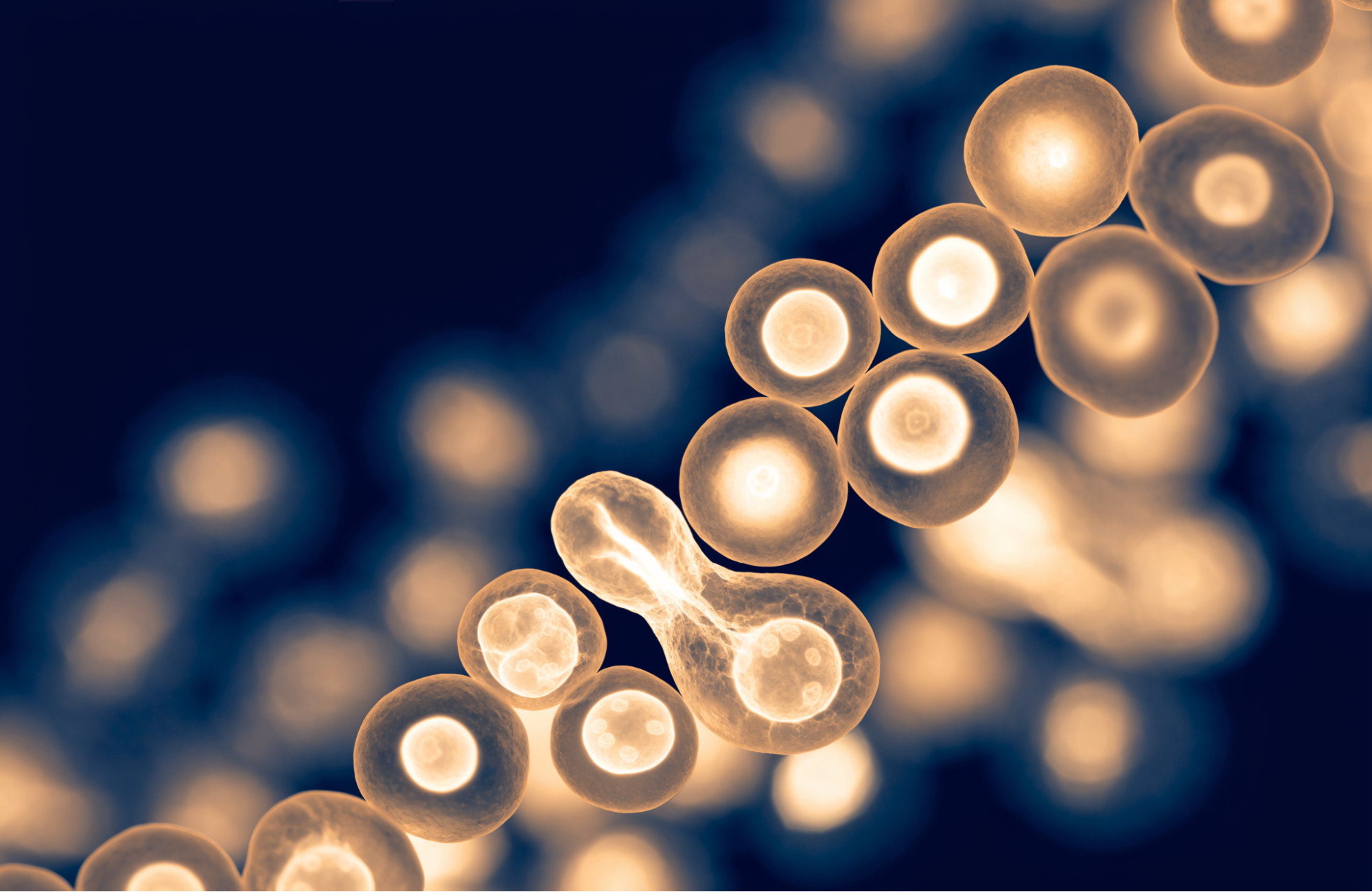
For the last decade, there has been a movement towards “personalized medicine” in healthcare.
I even wrote in edition #46 of this newsletter, about what Peter Attia called “Medicine 3.0” and I hypothesized what “Medicine 4.0” a.k.a “Med4” would look like.
Medicine 3.0 is the era of prevention.
Medicine 4.0 is the era of personalization.
I hypothesized that Medicine 4.0 will have regenerative care using advanced stem cell therapies that can move us beyond transplants and give doctors the ability to repair and replace damaged organs.”
And we are moving in that direction. Where the patient can produce their own treatment for their disease or damaged organs.
This is even available to us right now, it’s not a dream for the future, it’s called autologous medicine.
Autologous Medicine
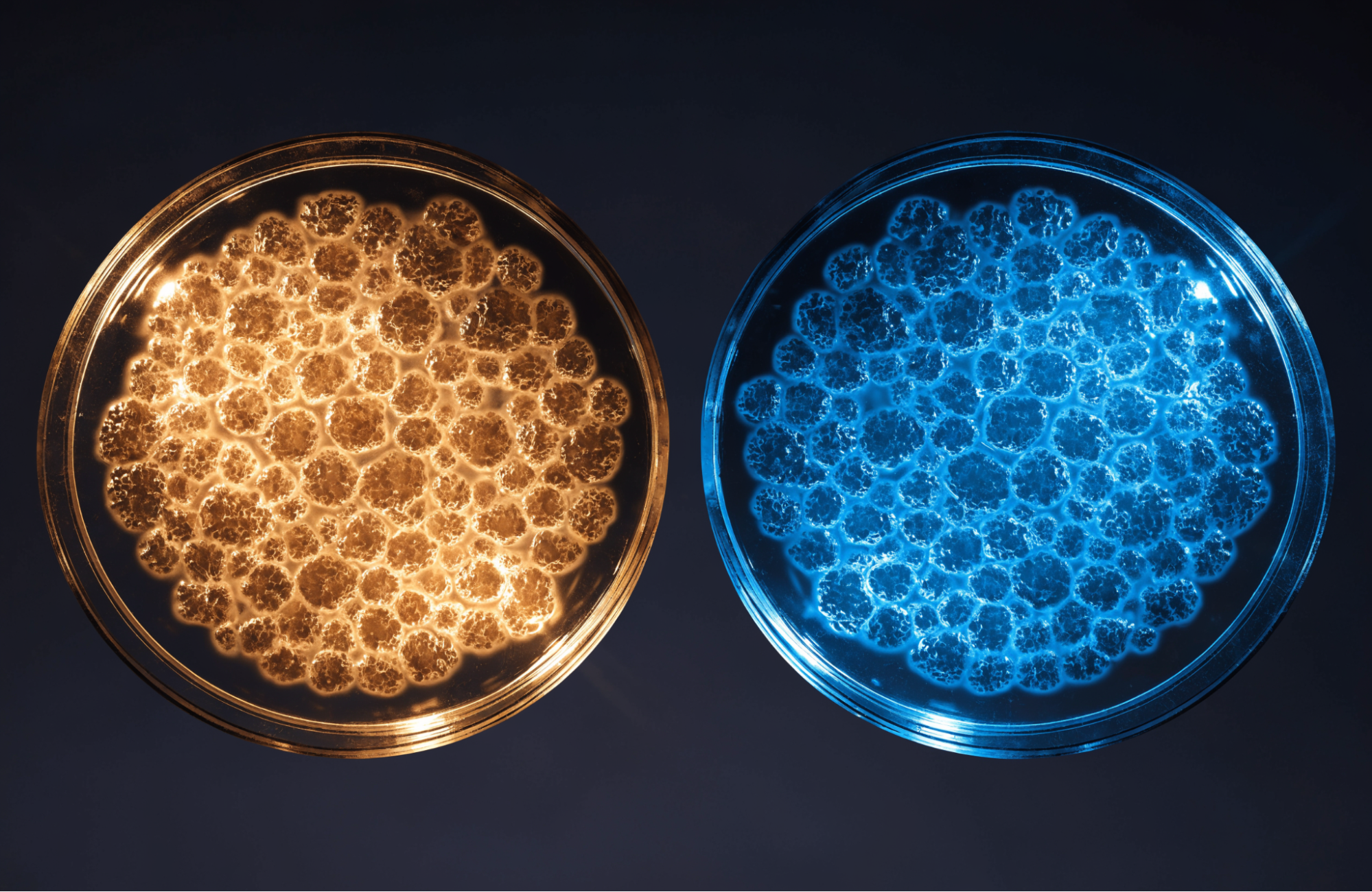
Autologous medicine procedures use a patient's own cells, tissues, or organs instead of donor material.
You own cells = a personal treatment = YOU are the treatment.
Risk of rejection is low because the cells are from the patient’s own body.
The opposite of this is allogeneic treatments.
Allogeneic treatments use donor cells or an organ from another person.
We’ve all probably heard about this. For example, a patient needs a kidney transplant, they can get a kidney from an organ donor but allogeneic treatments have a higher risk of immune rejection and graft-versus-host disease (GVHD) because the cells are from a donor.
This risk reduces with autologous treatments because there is no “donor,” you are your own donor.
There are autologous medicines available right now, which encompass a broad range of FDA-approved cell, gene, and tissue engineering treatments that use a patient's own collected cells to target specific diseases, mainly blood cancers and solid tumors.
For example, there are CAR T-Cell immunotherapies like Kymriah, Yescarta and Tecartus which modify a patient’s own T-cells to target proteins found on blood cancers including ALL large B-cell lymphoma and mantle cell lymphoma respectively.
Beyond CAR T-Cell immunotherapies, there are other autologous cell therapies that can harvest a patient’s immune cells to expand them to fight solid tumors such as Amtagvi (lifileucel) and Tecelra (afamitresgene autoleucel).
One of the biggest wins in personalized medicine and autologous therapy of this decade is Casgevy and Lyfgenia, both are autologous hematopoietic stem cell (HSCs) therapies which are used to cure sickle cell disease and severe beta-thalassemia by harvesting a patient’s own cells, editing them and giving them back to the patient.
Furthermore, autologous cells are being used to rebuild physical tissue and structures without the risk of donor rejection.
Notably, MACI (Autologous Cultured Chondrocytes) uses a patient's own cartilage cells grown on a collagen membrane to repair knee cartilage defects.
Autologous medicine completely flips the current treatment model.
We are moving from generalized, off-the-shelf treatments toward personalized medicines that we know will work with your body.
We now have the opportunity to move away from a one-size-fits all methodology, and towards a future where organ donation may not be required because we are able to generate our own organ and tissue repairs and replacements from our own genetic material.
With autologous approaches, the patient’s own biology becomes the starting point to creating personalized medicine.
So What are Those Starting Materials?
Your own biology. Your own cells.
The place to start repair is with your own stem cells.
Stem cells are the cells in your body that can become any type of cell, a nerve cell, skin cell, liver cell….anything.
Where are those stem cells? How do we get access to them?
I’m sure most of you are familiar with embryonic stem cells. These exist only in early-stage embryos, amniotic fluid and perinatal stem cells found in umbilical cords.
Embryonic stem cells raise many ethical concerns but fortunately are not the only source of stem cells in the body.
Adult stem cells live in specific tissues like bone marrow, fat, hair and skin and are there to repair damage.
Scientific research has also discovered a way to turn any type of cell back into a stem cell.
In 2006, Dr. Shinya Yamanaka discovered a group of four proteins (genes) that can turn adult cells back into stem cells, aptly named the Yamanaka factors after their discovery, and earned a Nobel Prize in 2012.
When an adult cell is exposed to the Yamanaka factors it becomes an induced pluripotent stem cell (iPSC). iPSCs can now grow into any cell type in the body.
While this discovery is groundbreaking, why hasn’t it taken over?
Mostly because of manufacturing cost and time. But there are also regulatory concerns, especially around genomic instability and the risk that the cells could turn into cancer cells.
Some scientists are exploring partial reprogramming of the adult cells by using short bursts of exposure of the Yamanaka factors to make old cells young again without losing their specific job or function.
iPSCs were supposed to be the gateway into regenerative medicine and personal rejuvenation.
The technology is arriving, but we still have technical challenges. One of those challenges is that iPSCs are only as good as the adult cell you started from. If that adult cell had accumulated a lot of mutations, it will have an epigenetic memory that it will carry into the iPSC.
Your Cells and Your Body Have an Expiration Date
Our cells are aging.
They are aging according to the 12 hallmarks of aging, including DNA mutations and the accumulation of senescent cells to name a couple.
We can measure the biological and chronological age of our cells using epigenetic tests, like the Horvath methylation clocks.
The stem cells you have today are the youngest you will ever have.
Your stem cells at age 35 will not be the same stem cells you have at 65. Although you are the same person, those extra decades can accumulate damage within even your stem cells.
The problem is you need regenerative medicine and rejuvenation when you are old and this is the precise time when your body is the least capable of delivering it.
So Where Do You Actually Get Stem Cells?
Harvesting stem cells from bone marrow, adipose tissue or blood all require medical procedures.
To extract stem cells from bone marrow, you need to put a needle into the iliac crest of the bone and aspirate them out. This is a very invasive painful surgery which requires sedation.
You can collect stem cells from fat through a liposuction procedure.
Or alternatively, stem cells can be retrieved from your peripheral blood, which requires apheresis. Apheresis is a process where blood is drawn, then passed through a machine which separates it into platelets, plasma or white blood cells, then the remaining blood is safely returned to the body.
None of these procedures are what a healthy 30-something wants to do on a regular day of the week.
However new research has shown that there are other sources of stem cells without invasive medical procedures, and one of those sources is the hair follicle.
The Hair Follicle

You have ~100,000 follicles on your head.
Each follicle contains many different cell types, including keratinocytes, dermal fibroblasts and mesenchymal stem cells.
What is most interesting about the hair follicle is not just that it contains stem cells, but that it is a replenishing source.
Our hair falls out, the follicle regrows. This is a replenishing source of stem cells, which allows for a non-invasive, relatively painless collection in less than 30 minutes, with no recovery time.
That’s a huge change from a bone marrow extraction. (Ouch!)
I Sat Down With The Founder Of Acorn Biolabs To Talk About This
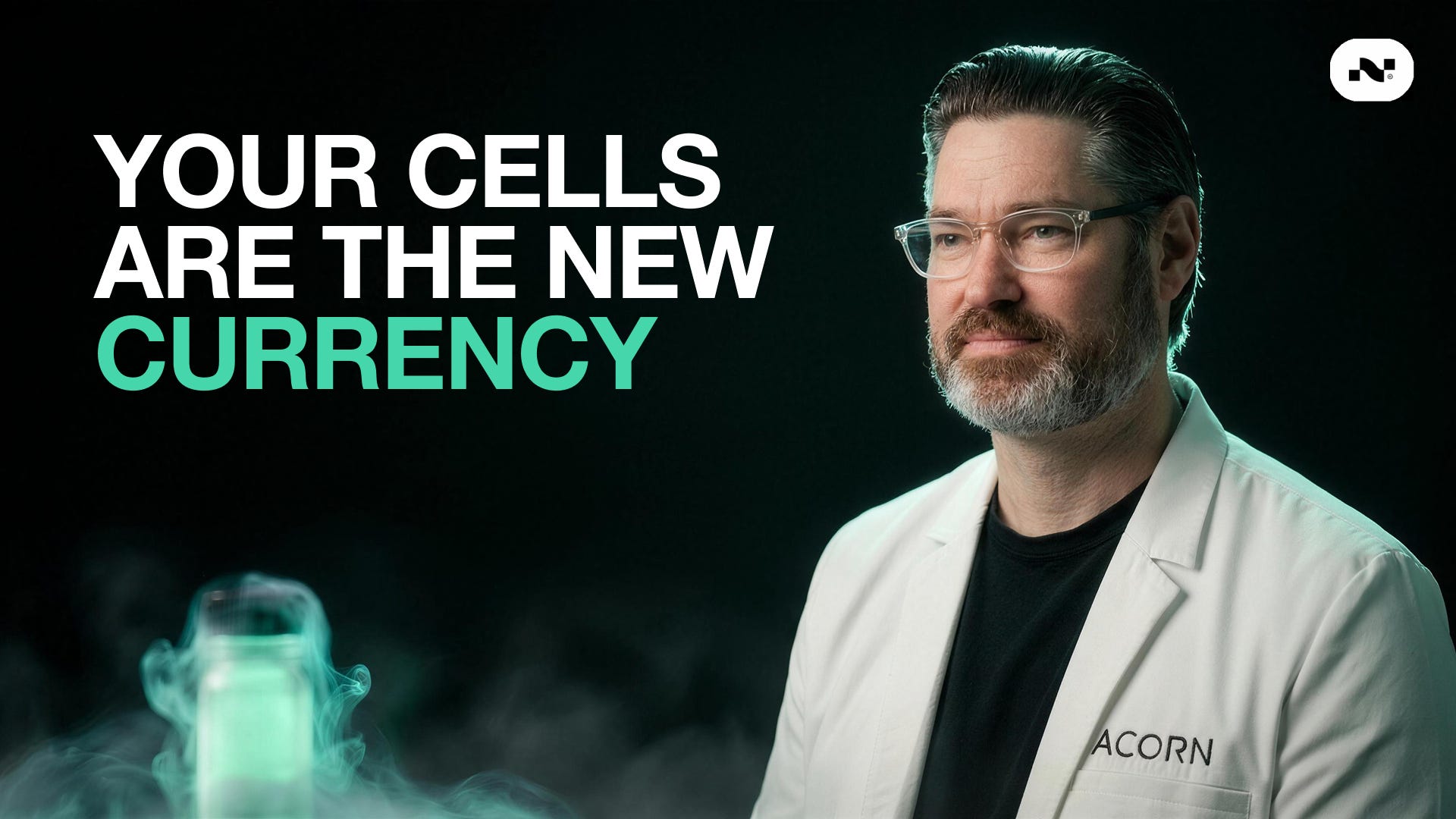
Dr. Drew Taylor CEO at Toronto-based Acorn Biolabs, the first non-invasive follicle-based cell banking service.
Want to watch our conversation? It’s on the Nina’s Notes Podcast. Watch it here.
Here’s how it works.
First you meet with a doctor for a consultation
Then you will meet with the doctor to collect the hair follicles. They take ~50 intact follicles.
Then they test them for viability
Viables ones go to cryopreservation at -180℃
Collection costs vary depending on the doctor and on-going storage costs ~$10/month.
Acorn Biolabs can use those banked cells to create their YOUTH Secretome. That is the result of the banked cells being cultured to produce exosomes and growth factors that are formulated into a personalized topical product.
This is something you can do today. It’s available now, it’s not something that we have to continue to wait for.
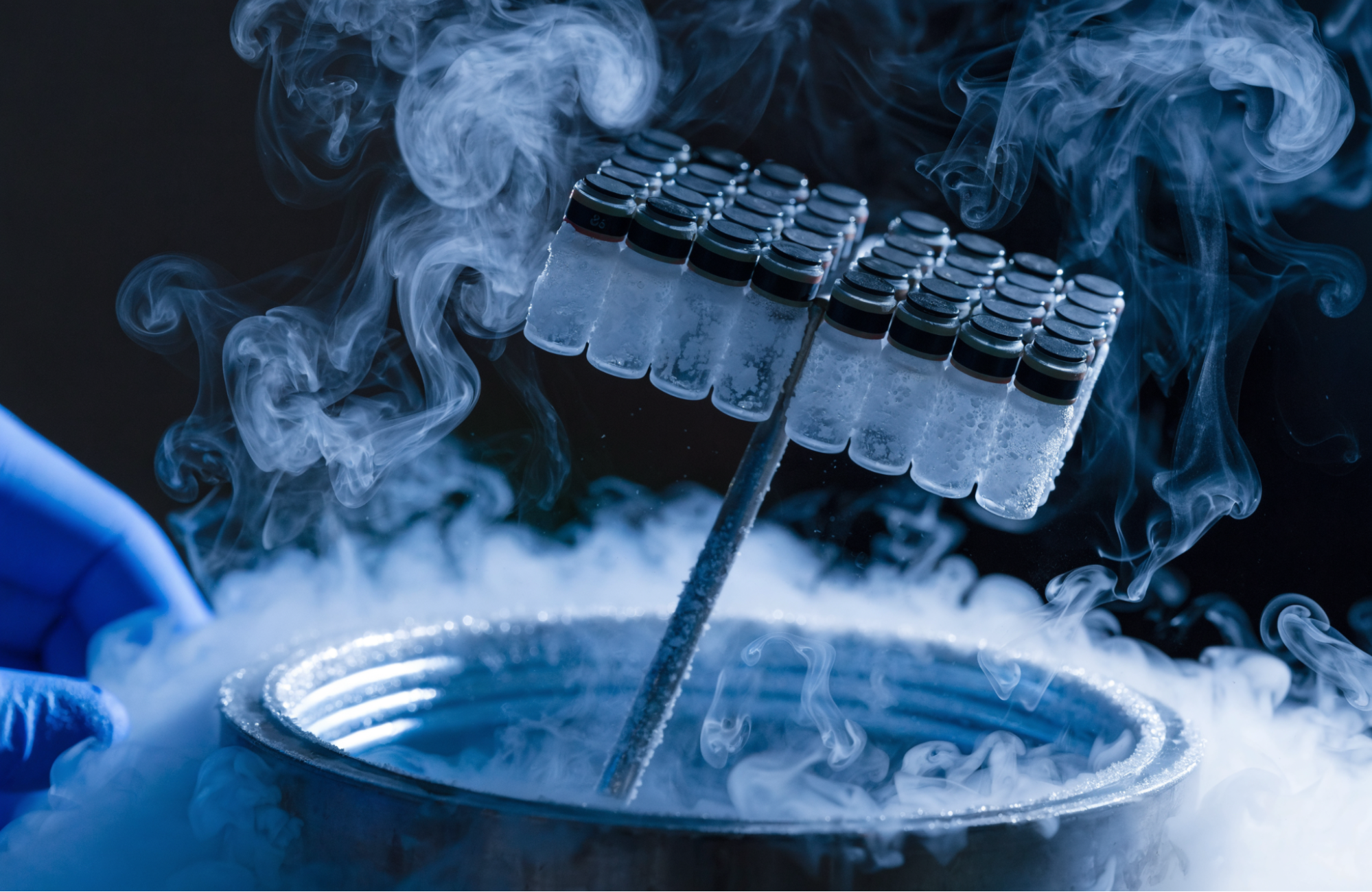
Banking cells are also a bet on future therapies that are currently being trialed and approved.
When you cryopreserve your hair follicle cells, you lock those cells in time at their biological age. Acorn’s own marketing language says that they are “halting the effects of aging.”
They say that the best time to bank your cells is right now. They even recommend banking your cells as young as 12 years old, because the hair follicles are mature at that age and it’s possible to collect enough healthy hair.
What makes this so interesting is that the cost of banking your cells now is low, relative to the irreversibility of not having it done.
It’s giving you future self options and it’s better to have the optionality than not.
If you do it now, you will have the youngest possible version of YOU as the treatment.
Medicine 4.0 won’t just be personalized.It’ll be time-shifted.
📚 Book of the Week
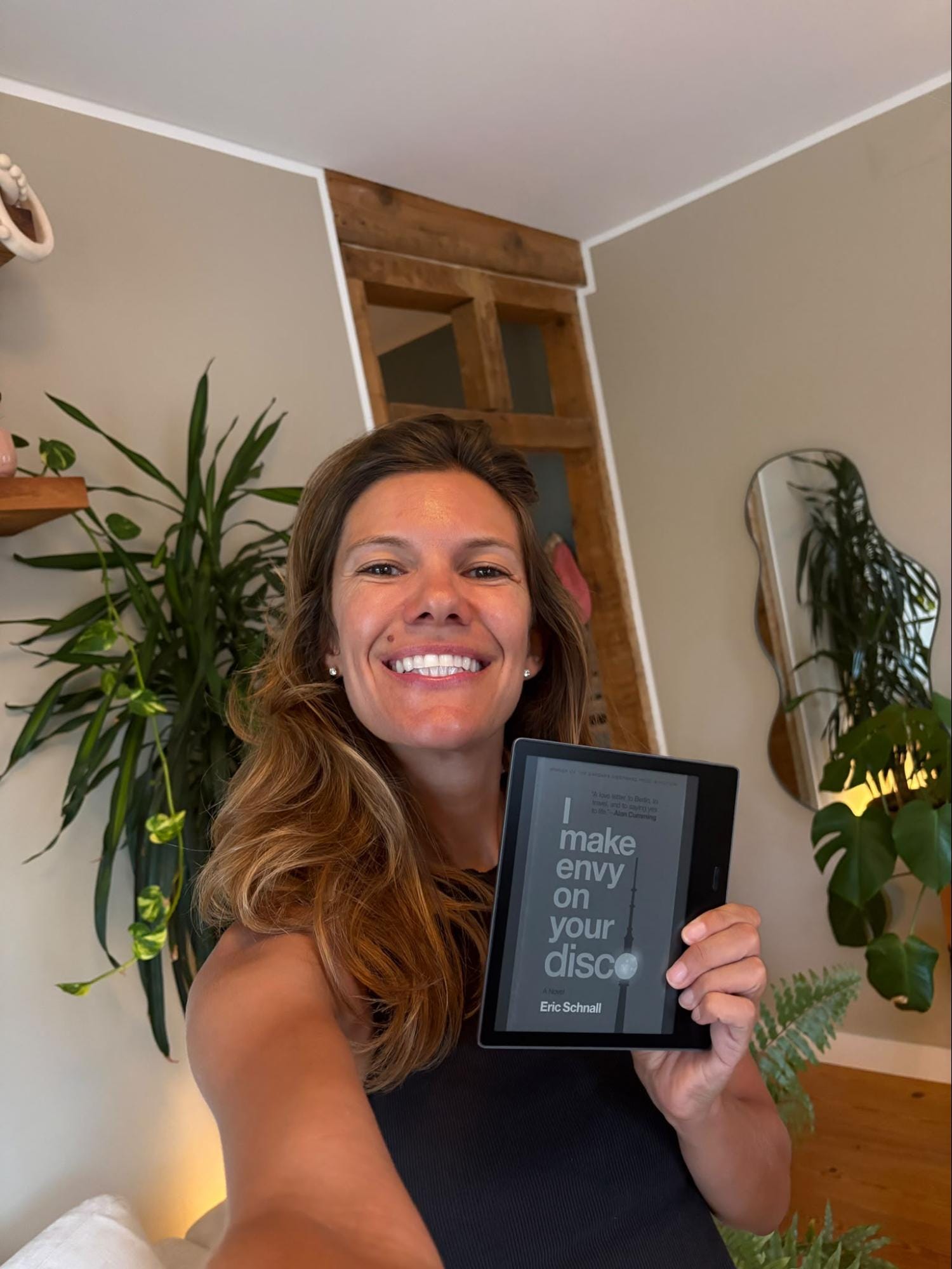
I Make Envy On Your Disco by Eric Schnall
Rating: ★★★★★
I love reading books about cities I’ve lived in, and of all of those cities, reading about Berlin always resonates. (If you want more stories set in Berlin, recently I read Perfection (BOTW #159) and The Deserters (BOTW #181).
I Make Envy On Your Disco took me right back to Berlin. Sam Singer is a thirty-seven-year-old art advisor from New York, with a rocky relationship back home, who arrives in Berlin for a gallery opening expecting a quiet work trip.
Instead the city does what it always does to visitors who let their guard down, it pulls him into something messier and more alive than he planned for.
💻 Join My 30-Day Claude Challenge
This is for my Ladies Who Claude. Ladies who are entrepreneurs, freelancers, and small business owners.
Join my 30-Day Master Claude Code For Businesswomen Challenge.
In the Challenge you will get:
Daily 10min video lessons delivered to your email
Real use cases, real builds, and tips from over 300+ hours of coding with Claude
Once a week live calls with me
Access to a community of women building together
You don’t need to be savvy with Claude. I’ll get you all on the same level.
If you are already using Cowork and Code, great! You will find the use cases, and live-builds truly valuable.
We start September 21.
🗣️ Looking for the Nina’s Notes Podcast?
You can find the Nina’s Notes podcast on 🔴YouTube 🟢Spotify, 🟣Apple Podcasts, 🟠Substack Podcasts where I interview entrepreneurs and have an archive of 100+ voiceovers of previous Nina’s Notes.
Edited by Wright Time Publishing