


Hey Friends,
Want this newsletter in podcast form? Find it on Spotify or Apple Podcasts.
It’s also on my YouTube channel. If you like it, please subscribe and I’ll keep making videos :)
Xo,
Nina
P.S. I recorded this episode on my YouTube Channel, watch it here:
💬 In this note:
☀️ Your Joyspan vs Your Lifespan
📚 Joyspan: The Art and Science of Thriving in Life’s Second Half
⚡️ ChatGPT Psychosis
#168: ☀️ Your Joyspan vs Your Lifespan

Photo by Robert Collins on Unsplash
How much you like living your life has a huge impact on your quality of life in your later years.
Lifespans are getting longer, and a long life isn’t always a happy one.
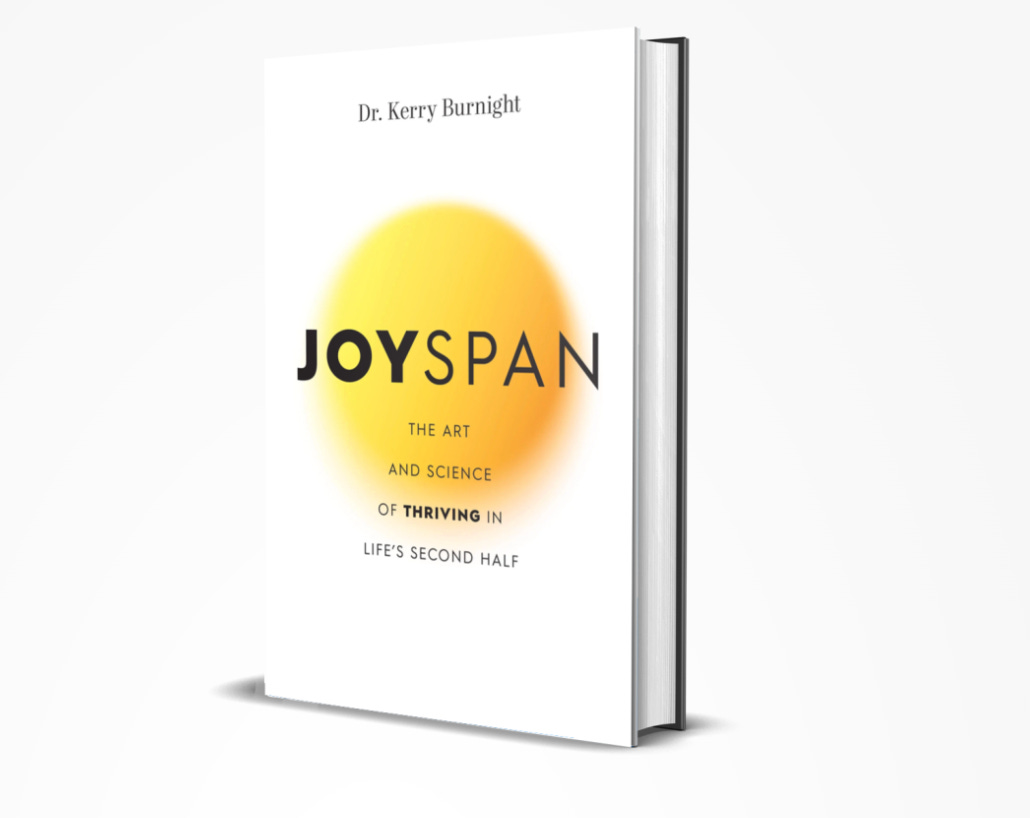
Dr. Kerry Burnight, a professor of geriatric medicine and gerontology at the University of California, Irvine School of Medicine, explains this in her book Joyspan: The Art and Science of Thriving in Life’s Second Half.
Your Joyspan - the years you spend liking your life, may matter just as much, if not more, than your healthspan (years in good health) or lifespan (years of life).
Some people hold the belief that aging is a downhill slide with accumulating health problems and challenges.
But I believe, and so does author Dr. Burnight, that we are in control of how we react to the changes that aging brings.
Dr. Burnight argues that “how we step up to those challenges can be the difference between thriving and suffering.”
Some older adults become immobilized by the realities of aging, while others find creative ways to navigate their new normal.
Fortunately, you can lengthen your joyspan through everyday choices regardless of your age or physical condition.
Dr. Burnight suggests focusing on four “nonnegotiable” actions:
Grow
Adapt
Give
Connect
A sense of curiosity and willingness to learn helps older adults maintain cognitive function and mental health.
Being able to adapt to your circumstances later in life is key. Dr. Burnight’s patients who are aging well approach life changes “as a normal part of the human experience.”
People with a robust joyspan find ways, even if they’re small, to give to others. They shift their mindset from “how can you help me” to “how can I help you.”
Social isolation can harm your physical and mental health, it’s important to stay connected and put time into new and existing relationships as you age.
How To Continue To Grow As You Age
Write down anything that has captured your interest, no matter how esoteric. For example, Renaissance fairs, learning to play the drums, or watercolor painting.
Then set a “curiosity goal. Challenge yourself to explore a few activities from the list of things that captured your interest.
As you age, embrace a learner’s mindset.
Some colleges or universities like the California State University System and the state universities and colleges of Ohio, offer a tuition waiver for residents age 60 and older allowing elderly people to continue education free of charge..
How To Adapt As You Age
List things that have gotten better as you’ve gotten older. For example, do you care less about what others think of you? Do you have greater experience when it comes to problem solving? Are you less reactive?
When a challenge is looming, brainstorm ways to adapt. For example, some of Dr. Burnight’s patients that were losing their vision, switched to audiobooks when traditional reading became too difficult and less enjoyable.
How To Give More When You Are Aging
Everyone has something to give, whether it’s time, attention, patience, wisdom or kindness.
If you are skilled at organizing, help a friend who is overwhelmed by a life change. If you are good at chess, teach someone to play.
If you are still unsure, you can sign up for AARP’s Create the Good program, which matches volunteers with service opportunities in your area, such as being a foster grandparent.
How To Stay Connected As You Age
Ask people questions, research suggests that people who ask questions are perceived as more likable. The same study found that asking follow-up questions builds rapport.
When the conversation is over, write down topics you want to check back on if you’re afraid you will forget. When you follow up, people are often pleased that you remembered the details of their life
Host family game nights in person, or on Zoom. Have watch parties with friends where you all watch the same show or movie together.
Addressing Dr. Burnight’s four “nonnegotiable” actions - grow, adapt, give and connect, can set you apart from your colleagues and friends with a foundation for a great joyspan.
Today’s Challenge
Spend some time today reflecting on your life and how joyful you find it. Journal for 10 minutes with the following prompts:
What are five things that caught my attention recently?
What are some things that I used to like to do that I stopped doing?
What are some ways that I can explore doing those things again, even if it looks a little different? (i.e. You like golfing, but now walking the course seems daunting - maybe you can book extra time on the course, and leverage a golf cart with a driver to take you from hole to hole).
You can take Dr. Burnight’s quizzes here to get a baseline understanding of your current joy in life.
I hope this helps you start to undersrtand how to improve your life so that you not only have a long lifespan, but you spend just as many of your years feeling joy.
Want To Go Beyond the Newsletter?
I mentor founders and ambitious professionals who want to build resilient minds and companies using evidence-based tools from neuroscience and longevity science.
Click here to learn more about private mentorship and upcoming group sessions here.
📚 Book of the Week
Source: Hachette Book Group
Photo by Author
Joyspan: The Art and Science of Thriving in Life’s Second Half by Dr. Kerry Burnight
Rating: ★★★★☆
I listened to this book in audio form. Don’t do this. Instead, I recommend reading the text, as Dr. Burnight has nice quizzes and questionnaires throughout the chapters and it is much nicer to engage with these in the text form, rather than trying to remember the questions and write down answers while listening to the audio.
This book is a great resource with strategies to shift your mindset when life throws you specific challenges of aging, such as caregiving, dementia, isolation, and death or divorce.
Dr. Burnight has many questionnaires in the book to assess your current joyspan, with helpful suggestions on how to improve it.
Although it is written for those in the later years of their life, I believe we can consider our joyspan at any age.
Being 38, I was thinking about my own mindset when it comes to adapting, and adjusting to the changes in my life.
I tend to think that younger people are more flexible than older people as I see so many older adults as “stuck in their ways.”
But what I’m also seeing is that my peers are getting stuck in their ways even at 37!
We must challenge ourselves to continue to learn and grow at any age. This is an absolute necessity to improve our joyspan.
It’s also great for your neuroplasticity. Overcoming challenges, adapting, and navigating new environments helps your brain to stay flexible and form new connections.
If you are living the same routine life for decades, it can make it harder for your brain to become flexible again.
But the brain is a muscle and it can be trained, at any age!
Want To Improve Your Health And Wellness In 2026?
I’ve written 9 guidebooks to help you get started.
⚡️ Check This Out
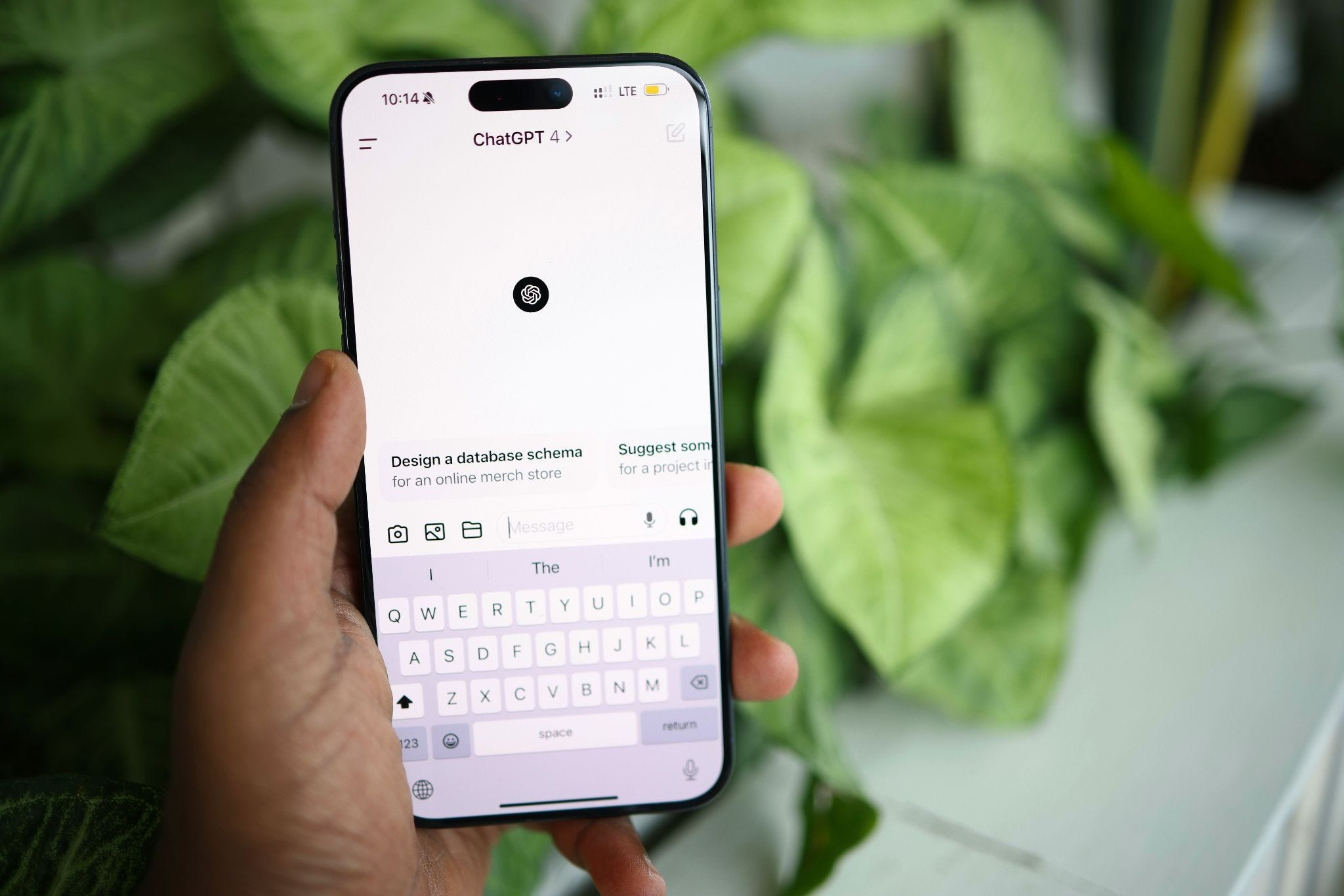
There are frightening cases where AI chatbots are inspiring delusional behavior with awful consequences.
What this tells me is that people are desperate for connection.
ChatGPT is always available, and people are using it for more connection than we expected.
Not only do we need stronger mental health safeguards for these AI tools, we also need to encourage IRL human-human connections.
Tech entrepreneur Joe Braidwood shut down his AI therapy startup Yara AI after concluding chatbots are unsafe for vulnerable mental health users.
While AI may help with everyday stress, he found it dangerous for crisis, trauma, or suicidal ideation.
Limits in detecting risk over time, legal pressures, and rising evidence of harm convinced him the space was too risky for a startup to responsibly navigate.
What this ultimately reveals is a boundary we haven’t reckoned with yet.
AI can simulate care, but it cannot carry responsibility. It cannot track a human psyche over time, sense when someone is quietly unraveling, or intervene with the moral weight a real person can.
Until we build systems that understand those limits, and a society that doesn’t outsource intimacy to machines, we risk mistaking availability for care.
AI may support mental wellness.
Mental health still requires humans.
🗣️ Looking for the Nina’s Notes Podcast?
You can also find the Nina’s Notes podcast 🔴YouTube, 🟢 Spotify, 🟣 Apple Podcasts, 🟠 Substack Podcasts
On the Nina’s Notes Podcast I interview entrepreneurs who are building products based on the science that I write about in the Nina’s Notes Newsletter.
You’ll also find voice overs of all the weekly Nina’s Notes.
Edited by Wright Time Publishing